What a high-performance coating actually does (and what it doesn't)
There’s a lot of confusion about what a high-performance coating is. People hear “coating” and picture paint, or powder coating, or a quick respray to tidy up a tired-looking part. A high-tech ceramic coating is none of those things and understanding the difference is the first step to getting the right result for your part.
It’s engineered protection, not a finish
Paint and powder coating are, first and foremost, about appearance. A ceramic coating is about performance: it’s a thin, engineered layer applied to metal to manage heat, resist corrosion and reduce friction. It does its job in conditions that would discolour, blister or destroy an ordinary finish, and it happens to look good while doing it.
That’s why we’re not powder coaters, platers or painters. The work is different, and so is the result.
What a ceramic coating actually does
Three things, mainly:
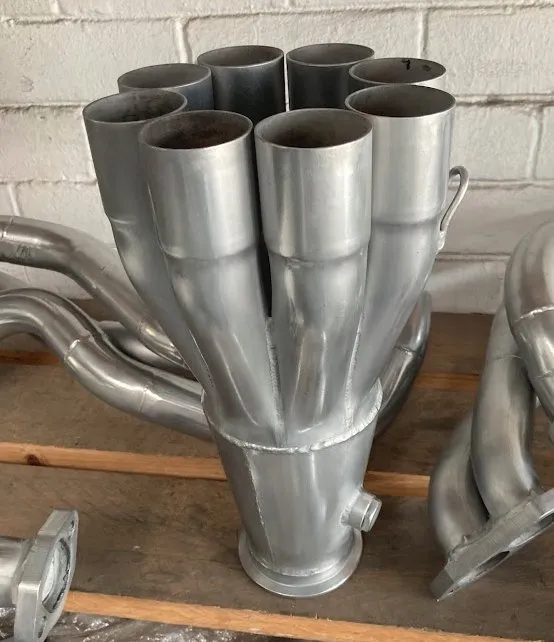
- Manages heat. On exhausts, headers, manifolds and engine components, a high-temperature ceramic keeps heat inside the system rather than radiating it out, protecting nearby parts and supporting better, more consistent performance.
- Resists corrosion. In marine, industrial and outdoor environments, salt, moisture and chemicals attack unprotected metal. A ceramic coating adds a tough barrier that dramatically slows rust and pitting.
- Reduces wear and friction. On high-stress, moving or load-bearing parts, the right coating cuts friction and stands up to abrasion, extending the working life of the component.
Where it helps most
The parts that benefit most are the ones that live a hard life: things that run hot, get wet, or take constant punishment. Exhaust systems and engine internals. Marine engines and fittings. Industrial pumps, pipework and tooling. Motorcycle exhausts and engine cases. Cookware and specialty items that face repeated heat. If a part has to survive heat, corrosion or wear, it’s a candidate.
Not every part needs ceramic
This is the part people don’t expect us to say: not everything should be ceramic-coated. Ceramic earns its place on parts that face extreme heat or harsh conditions. For parts that don’t, a premium durable finish does the job perfectly well, and over-specifying a coating just adds cost without adding benefit.
The value isn’t in buying the most expensive coating. It’s in matching the right coating to the application, so the part is protected exactly as much as it needs to be. That’s the advice you should expect from anyone worth using.
What a coating won’t do
It’s worth being honest about the limits, too. A coating isn’t magic. It won’t make a worn-out part new again, it won’t fix a design problem, and the real-world gain depends on the part and how it’s used. What it will do (applied properly and to the right part) is protect it, extend its life and help it perform. When you send us a part, we’ll tell you plainly what to expect from coating it.
The right coating for your part
The honest answer to “what should I use?” is always: it depends on the part and the job it has to do. Tell us what you need coated and the conditions it faces, and we’ll recommend the right coating and what it will cost.